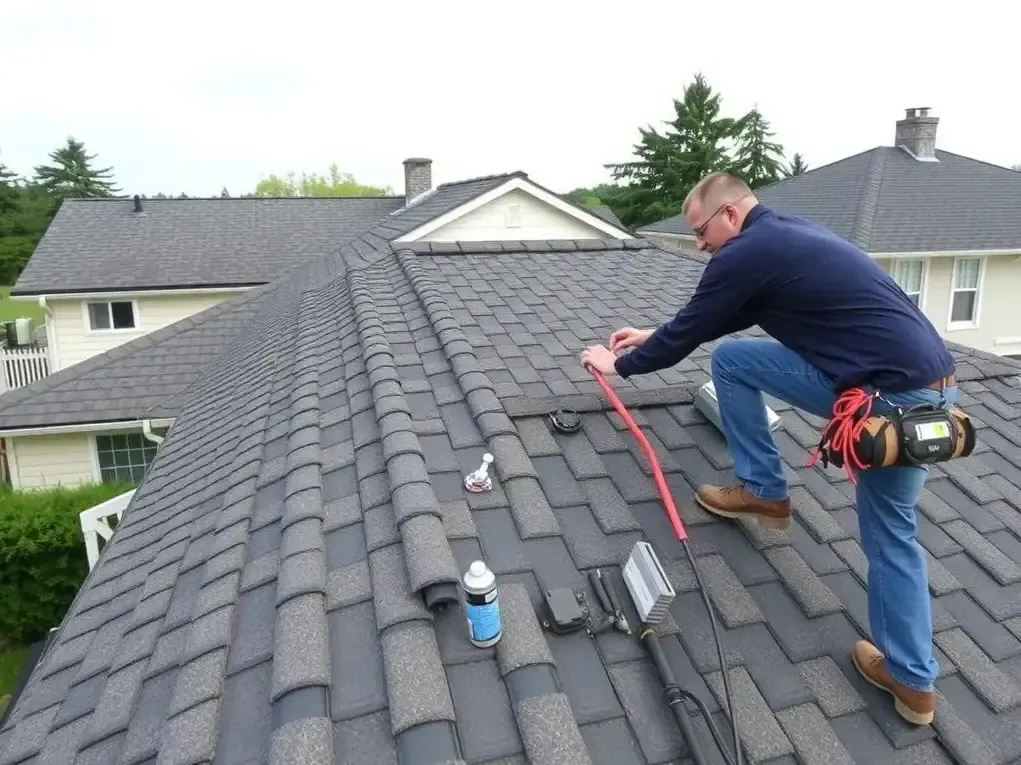
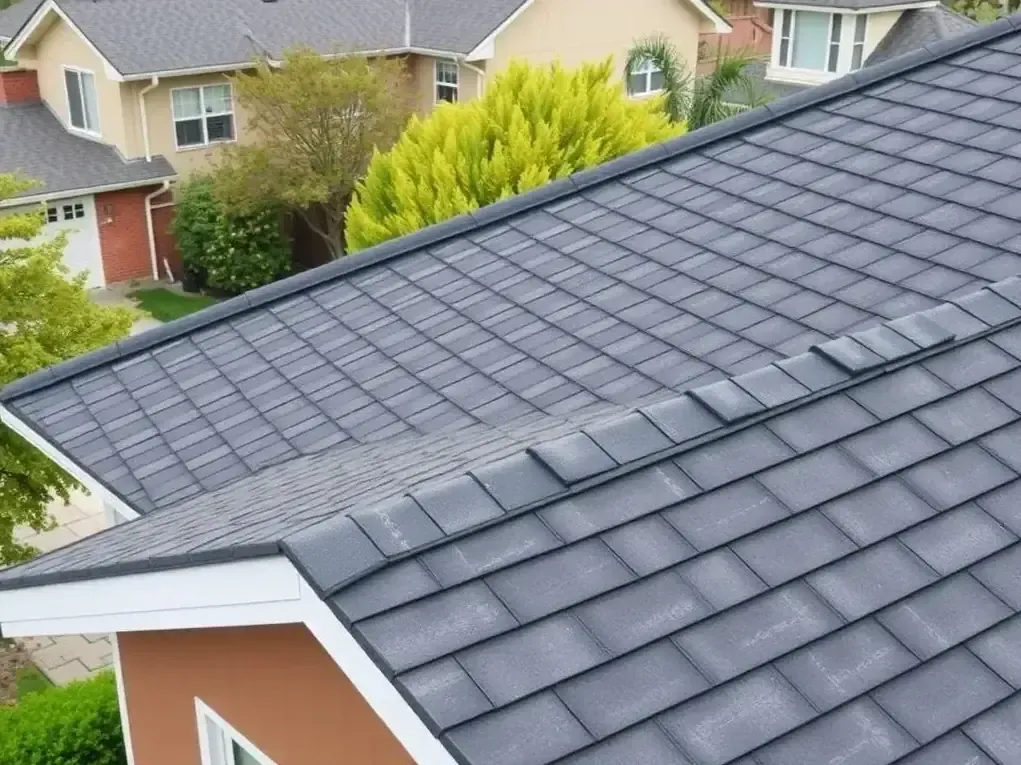
Roof coating materials must match the existing substrate. Silicone coatings generally tolerate ponding water better than acrylic elastomerics, though drainage still needs attention.
Polyurethane systems offer abrasion resistance. Primer requirements depend on the membrane, existing coating and adhesion testing.
Roof coating costs in Walnut Creek depend on roof area, access, surface preparation and required repairs. Removing loose coating adds labor.
Wet insulation or deteriorated decking can change the scope substantially. Our written, itemised estimate comes before scheduling and requires your approval.
Roof coating is appropriate when the underlying assembly remains dry, sound and compatible with the proposed system.
On a single-story ranch house, roof shape alone does not establish suitability. Widespread moisture damage or structural decay may require roof replacement instead.
What's Included
Our free on-site inspection establishes the starting point for a coating assessment; the existing membrane, flashing and drainage condition determine whether restoration is appropriate.Your written, itemised estimate defines the approved work, including any surface preparation or repairs needed before a protective coating can be applied.Surface preparation removes dirt and loose material; the substrate must dry before application because trapped moisture can undermine adhesion and cause blistering.Seam and penetration repairs address openings before coating; reinforcing fabric or compatible sealant may be required according to the selected system’s application instructions.Primer and coating requirements depend on substrate compatibility; the approved scope should identify preparation, application coverage and the required finished film thickness.Our completion process includes debris removal and a magnetic nail sweep, followed by a walkthrough of the finished roof with you to review the completed work.
Signs You Need Roof Coating
Existing coating appears thin or patchy in photographs taken from a safe location, with the underlying roof surface showing through areas that previously had continuous coverage.Peeling or flaking is visible along roof edges; failed adhesion needs assessment before another layer is considered, rather than simply covering the loose material.Blisters appear in the existing finish; these can indicate trapped moisture or adhesion problems that require investigation before a coating system can be specified.Water remains visible after surrounding roof areas have dried; ponding calls for a drainage assessment because coating cannot correct inadequate slope or blocked outlets.Ceiling stains return after rain; water may enter through seams or flashing, and active leaks require diagnosis before deciding whether repair, coating or replacement fits.
Roof Coating Process
Assessment starts with a roof condition survey. We begin with the free on-site inspection; substrate condition, existing coating adhesion and evidence of moisture determine whether a coating proposal makes sense.Scope approval comes before scheduling. Our written, itemised estimate sets out the proposed work and price; you approve both before work starts. Required repairs and coating preparation should be explicit rather than left as assumptions.Preparation creates a suitable bonding surface. Cleaning removes contamination, loose coating is addressed and the roof dries thoroughly. Damaged seams and flashing require compatible repairs before the main coating application proceeds.Material selection follows substrate compatibility. An adhesion test can establish whether primer is needed. Acrylic, silicone and polyurethane systems have different application limits; existing roof materials and drainage conditions help determine the appropriate specification.Application follows the selected system’s instructions. Specified coverage rate, wet film thickness and recoat intervals control the finished layer. Rain forecasts and surface temperature affect the application window, while cure time governs when the coating can tolerate exposure.Completion includes checking the coating for missed areas and reviewing repaired details after the required cure period. Our team removes debris, performs a magnetic nail sweep and walks through the finished roof with you.