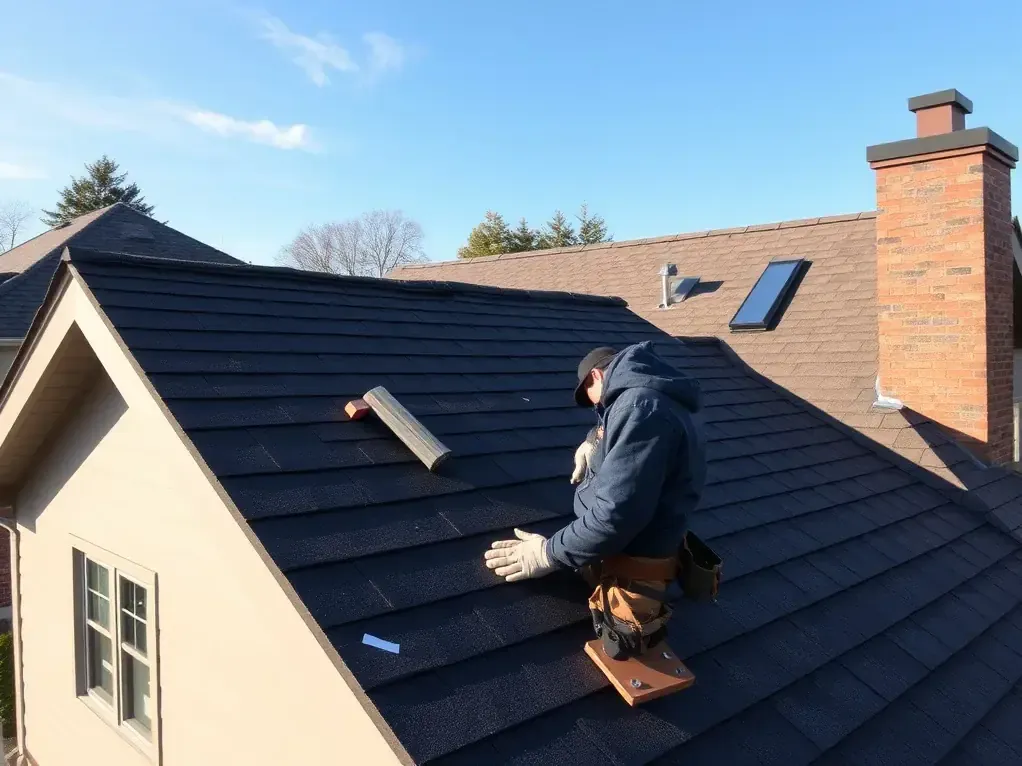
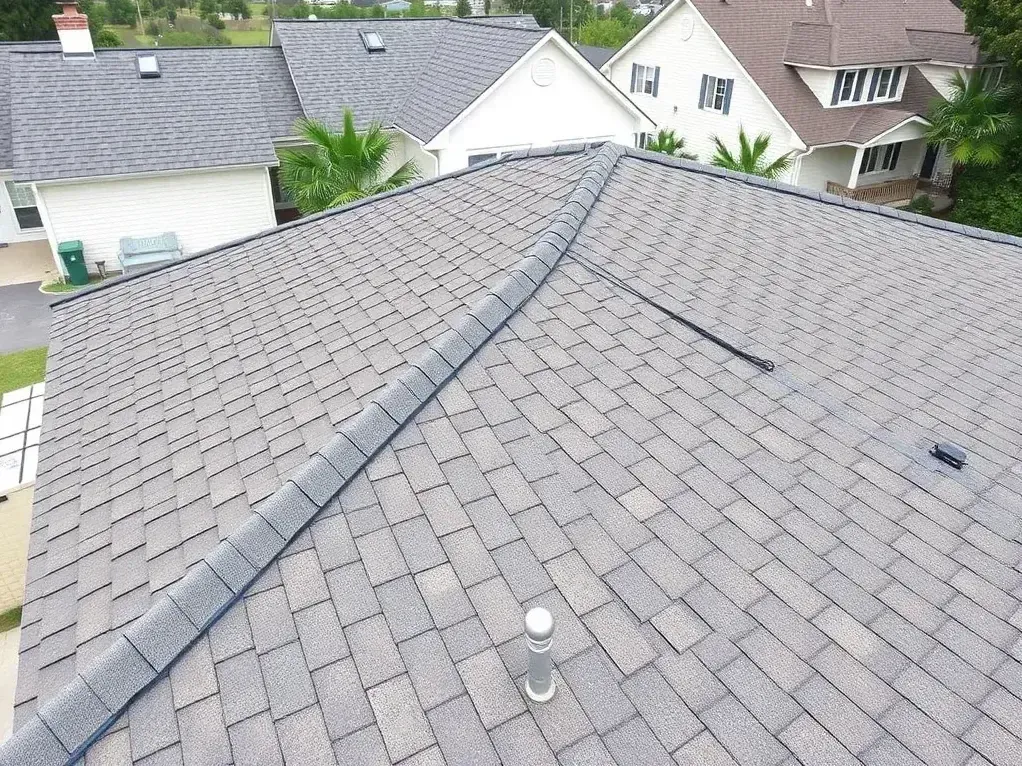
TPO, EPDM and modified bitumen require different repair materials. TPO seams are heat-welded; EPDM repairs typically use compatible primers and tapes.
Maintenance starts with identifying the existing membrane, because an incompatible patch or coating can undermine adhesion instead of stopping water intrusion.
Commercial roof maintenance costs depend on roof area, safe access, drainage layout and the condition of seams and flashing.
In Walnut Creek, winter rain makes drainage defects consequential. We provide a written, itemised estimate before work is scheduled, with your approval required first.
Maintenance suits a serviceable membrane with isolated defects. Wet insulation, widespread separation or deck decay calls for repair or replacement assessment.
Condominiums and co-ops in Rossmoor may have shared drainage, so the assessment should establish which roof sections connect before defining the scope.
What's Included
A roof inspection establishes the visible condition of the membrane, including punctures, open laps and exposed reinforcement that may require work beyond routine maintenance.Drainage checks identify debris at roof drains and scuppers; the written scope should distinguish surface clearing from plumbing work or changes to drainage capacity.Flashing assessment covers parapet transitions and equipment curbs, where separation or cracked sealant can let water seep beneath an otherwise intact roof covering.Material-compatible maintenance addresses approved local defects; the existing membrane determines whether a welded patch, bonded repair or another system-specific treatment is appropriate.Our written, itemised estimate sets out the proposed work before scheduling, so you can approve the scope and price rather than authorising maintenance work you have not seen priced.We finish each job with debris hauled away, a magnetic nail sweep and a walkthrough of the finished roof with you to review the completed work.
Signs You Need Commercial Roof Maintenance
Ceiling stains reappear after rain, especially below rooftop equipment or parapet walls; note their location from indoors without climbing onto the roof to investigate.Water remains visible on a low-slope section after surrounding areas have dried; observe only from an existing safe vantage point and request a drainage assessment.A downspout produces little flow during rain while water spills elsewhere along the roof edge, which can indicate a blockage or disconnected drainage component.Pieces of roof coating flake into accessible gutters or onto the ground; peeling can expose the underlying surface and warrants an inspection of coating adhesion.Interior finishes blister or peel near the roofline, suggesting moisture may be travelling beyond the entry point; record when the change appears and whether rain precedes it.A ceiling begins to sag or water reaches electrical equipment; keep people clear and call our published number for an emergency roof enquiry rather than waiting for routine maintenance.
Commercial Roof Maintenance Process
Start with our free on-site roof inspection. Existing leak locations and the visible roof condition provide the basis for deciding whether maintenance or a repair assessment is appropriate.Identify the roof system before specifying treatment. TPO, EPDM, PVC single-ply and built-up roofing require compatible materials; appearance alone may not establish every layer beneath the surface.Assess the drainage route alongside membrane defects. A blocked outlet needs a different response from ponding caused by inadequate slope, compressed insulation or movement in the deck.Review our written, itemised estimate and approve the scope and price before scheduling. Access restrictions, occupied areas and weather-sensitive tasks should inform the proposed work sequence.Complete the approved maintenance with our own crews. Local repairs should follow the existing system's requirements, including surface preparation and suitable conditions for adhesives, sealants or coatings.Close with debris removal, a magnetic nail sweep and a roof walkthrough. Review completed items against the approved scope, and distinguish any remaining defects from the work authorised.