Home Services
Locations AlamoBrentwoodConcordDanvilleLafayetteMartinezNewarkOrindaPittsburgPleasant HillSan Ramon
About Reviews Contact (925) 503-1377

Roofing in Lafayette, CA

Lafayette sits at about 320 feet in Contra Costa County, where hot, dry summers and wildfire risk shape every roofing decision.

Licensed & Bonded and fully insured
Written Estimates
Local to Lafayette
Workmanship Warranty

Homes in Happy Valley and Burton Valley bake under summer sun, then face heavy winter rainstorms.

Morning fog settles in low pockets and keeps roof decking damp longer than homeowners expect. That wet-dry cycle drives most premature roof failures here.

Housing stock varies block by block. Mid-century ranch homes from the 1950s and 1960s dominate many streets.

Custom hillside estates with bay views perch above Reliez Valley and Acalanes Ridge. Craftsman-style bungalows from the early 1900s still stand along the St.

Mary's Road Corridor. Each era brings its own roofline profile and its own repair vocabulary. Typical failure modes in Lafayette include:

  • Sun-cracked asphalt shingle and exposed underlayment after long dry seasons
  • Wind-driven rain forcing water past step flashing at chimney and wall junctions
  • Dry-rotted fascia and soffit where fog keeps eaves damp
  • Ember intrusion at ridge vents and eave gaps during wildfire season
  • Clogged gutters and downspouts backing water under the first course

Lafayette's oak tree preservation ethic matters for roofing too. Canopy shade slows drying and feeds debris onto rooftops. Moss and algae follow.

A roofer inspecting a shaded north slope should check sheathing for soft spots, not just the surface. Wildfire exposure is the local wildcard.

Roof coverings rated for ember resistance matter more here than in most of the county.

Vent screens, drip edge details, and decking joints all become part of the fire conversation.

Homeowners near Briones Regional Park often ask about Class A assemblies and ember-resistant vents first. Winter storms bring the opposite test.

Saturated felt and failed pipe boots show up as ceiling stains weeks after the rain stops. Valley flashing that looked fine in July leaks in January.

A roofing contractor working Lafayette homes learns to read both seasons.

1

What Roofing Work in Lafayette Includes

Every project starts with a roof inspection. The roofer walks the pitch, checks the attic from below, and photographs problem areas.

Findings cover the field shingle, ridge cap condition, valley wear, and flashing at every penetration.

Tear-off comes next when replacement is warranted. Crews strip the old covering down to the roof deck, whether plywood or OSB sheathing.

Rot in rafters or a ridge beam gets flagged for structural review before new material goes down.

Material decisions follow the inspection:

Underlayment choices matter on Lafayette's sun-baked slopes. Synthetic underlayment outlasts traditional tar paper. Ice-and-water shield goes at valleys and eaves.

Drip edge protects the fascia line, and new vent boots replace cracked pipe flashing.

Crews set scaffold and ladders safely on hillside lots.

A nail gun and air compressor speed decking work, while a pry bar and roofing shovel handle tear-off.

Torch-down work on modified bitumen requires care near dry vegetation.

Cleanup is part of the scope. A dumpster sits on site, and crews magnet-sweep the yard for stray fasteners.

Gutters get cleared of debris before the final walkthrough. The homeowner receives photos and a written summary of what was replaced.

  • Architectural shingle for most ranch and bungalow roofs
  • Wood shake or cedar shake where original character matters
  • Tile, clay tile, or concrete tile on hillside estates
  • Standing-seam panel or metal panel on modern remodels
  • Membrane systems such as TPO or EPDM on low-slope sections
2

Quality & Materials Standards

California building code sets the floor, not the ceiling, for Lafayette roofing work.

Permits are typically required for full reroofs, and inspectors check nailing patterns, underlayment, and ventilation.

A roofing contractor should pull permits before the first shingle comes off.

Material standards deserve honest framing. Architectural shingle carries a manufacturer warranty tied to proper installation. Three-tab shingle costs less but ages faster in strong sun.

Slate and tile last decades but need framing that can carry the load.

Details decide performance:

Low-slope areas call for the right system. A built-up roof, modified bitumen, or PVC membrane each suits different conditions.

Scupper drains and parapet coping on flat sections need annual checks.

Attic ventilation is often overlooked. A ridge vent paired with soffit vent keeps the deck dry. An attic fan helps in some configurations.

Proper ventilation extends shingle life and reduces ice dam risk in cold snaps.

Insurance claims follow a documented process. The roofer photographs damage, prepares a roof estimate, and meets the adjuster on site.

Homeowners should understand that storm damage claims require evidence of sudden damage, not wear.

Small details protect the whole assembly. A vapor barrier belongs in the right assemblies.

Snow guard hardware is rarely needed here but appears on some steep custom roofs. Anchor points support future maintenance safely.

Some architectural features demand special attention. A gambrel roof, a mansard section, or a canopy over an entry each create unique flashing challenges.

Even a small awning needs proper waterproofing at its attachment. Corrugated panel used as a decorative accent should still meet weatherproofing standards.

  • Counter-flashing and step flashing at walls and chimneys
  • Apron flashing at the base of dormers and skylights
  • Boot flashing around every vent pipe
  • Sealant or mastic at exposed fasteners only where approved
3

Seasonal and Storm Exposure in Lafayette

Lafayette summers bake roofs. Months of hot, dry air pull moisture from every asphalt shingle and wood shake on the rooftop.

That cycle leaves three-tab shingle brittle and cedar shake split along the grain.

Wildfire risk raises the stakes. Embers can lodge in a gutter packed with needles or against a dry wood shake field.

A roof inspection before June tells you whether your assembly is defensible.

October brings the first real rain. Water finds every failed sealant bead and lifted flashing.

Fog and morning dew in low pockets like Happy Valley keep the roof deck damp long after sunrise.

That moisture works under tar paper and felt on older homes.

Winter storms arrive heavy and occasional. A single atmospheric river can drop more rain in a day than a month of drizzle. Gutters and downspouts overload.

Water backs up at valleys and behind chimney flashing.

Freeze risk is low but real on cold nights. Meltwater refreezes at the eave and forms an ice dam.

That trapped water pushes up under shingles and into the underlayment.

Some failure patterns repeat across the city:

Timing your roof inspection around these cycles pays off. Schedule one in early spring, before the dry season stresses materials.

Book a second in late September, before the first storm. That second visit catches loose flashing, worn sealant, and debris before water gets in.

  • Lifted or cracked shingle tabs after a dry summer
  • Granule loss clogging gutters and staining concrete
  • Failed pipe boot flashing and cracked mastic at penetrations
  • Sagging fascia and soffit from long-term eave moisture
4

Local Service Areas

Happy Valley

Happy Valley sits in a low, sheltered pocket where fog lingers and morning dew keeps roof surfaces damp.

Many homes here are mid-century ranch builds with low-slope sections that stress their roofing more than steep pitches do.

Burton Valley

Burton Valley mixes 1960s ranch homes with later custom builds, so materials vary block to block.

Roofs here face full summer sun with little shade from the oak canopy.

Lafayette Hills

Hillside estates in Lafayette Hills take wind and sun on exposed rooflines. Custom homes here often combine steep pitches with complex valleys and multiple gables.

Reliez Valley

Reliez Valley homes sit among mature oaks, and that shade is a mixed blessing for a roof.

Leaf litter and acorn debris collect in gutters and on low pitches.

Acalanes Ridge

Acalanes Ridge homes face open sky and afternoon sun with little windbreak. Roofing here dries out fast and takes UV damage year after year.

St. Mary's Road Corridor

The St. Mary's Road Corridor holds a range of older Craftsman bungalows and mid-century homes. Many roofs here are original or only once replaced.

  • Low-slope areas often carry a built-up roof or modified bitumen that cracks at seams
  • Original 1950s tar and gravel surfaces blister and lose aggregate
  • Fog-driven moisture rusts fasteners and softens plywood sheathing at the eave
  • Older flat sections may need a membrane such as epdm or tpo to replace failing tar
  • Architectural shingle from the 1990s is reaching end of life and curling at the rake
  • Sun-cooked three-tab shingle on outbuildings shows granule loss and exposed felt
  • Some homes carry concrete tile that hides cracked underlayment beneath
  • Attic heat builds fast, so ventilation and a working attic fan matter here
  • Steep hip and gable roofs shed water fast but stress step flashing at every wall
  • Metal panel and standing-seam panel roofs expand and contract, loosening fasteners
  • Skylights and dormers create penetration points where sealant dries out
  • Wind-driven rain tests counter-flashing and ridge cap along the entire ridge
  • Shaded roof planes stay damp longer and grow moss that lifts shingle edges
  • Clogged gutters and downspouts back water up under the drip edge
  • Wood shake roofs under trees trap debris that holds moisture against the decking
  • Debris-filled valleys are prime spots for rot in the sheathing and fascia
  • Full-sun exposure ages shingle and tile faster than shaded sites nearby
  • UV breaks down sealant, caulk, and mastic at chimney and vent penetrations
  • Concrete tile and clay tile crack at the ridge and along the verge
  • Heat cycling loosens nails and screws, so loose flashing is common
  • Early-1900s bungalows may still carry wood shake or cedar shake under a newer layer
  • Original tar paper and roofing felt underlayment is brittle and tears easily
  • Older framing may lack a modern ice-and-water shield at the eave
  • Small dormers and a porch canopy or awning add tricky flashing details

What We Do in Lafayette

Full-service roofing for Lafayette homeowners:

Explore Nearby Communities

Roofing work across Lafayette and the surrounding area.

Questions about a specific street, roof type or shared-wall detail? Call (925) 503-1377 and describe the property.

Roofing in Lafayette?

Roofing Reference Images in Lafayette

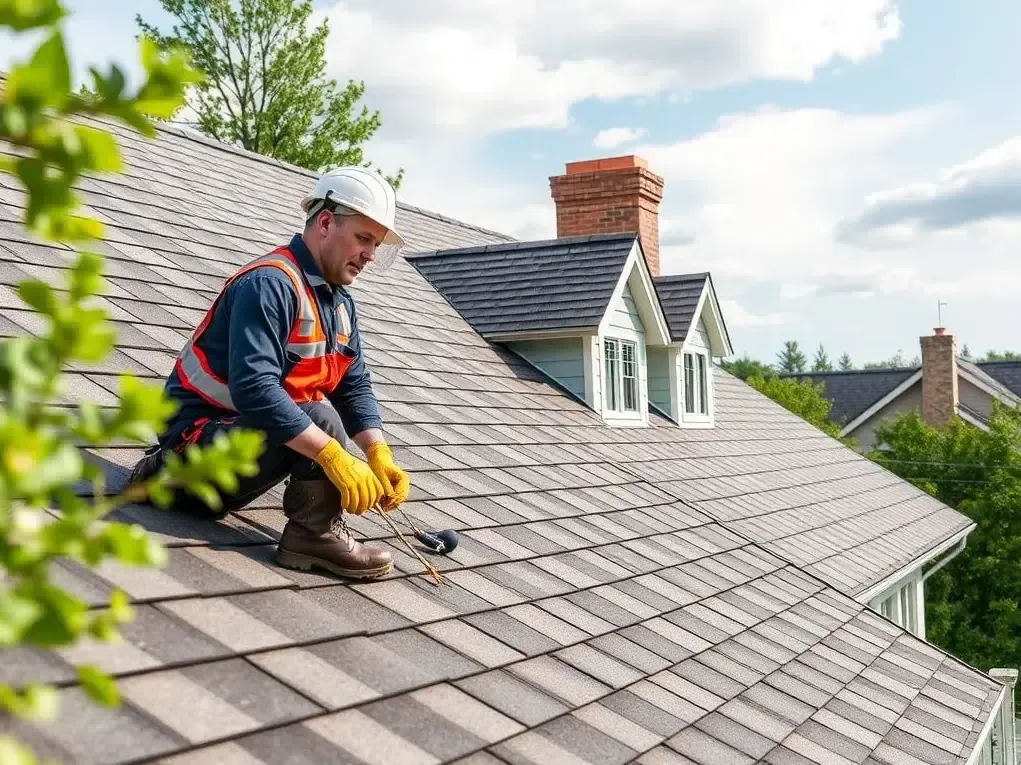
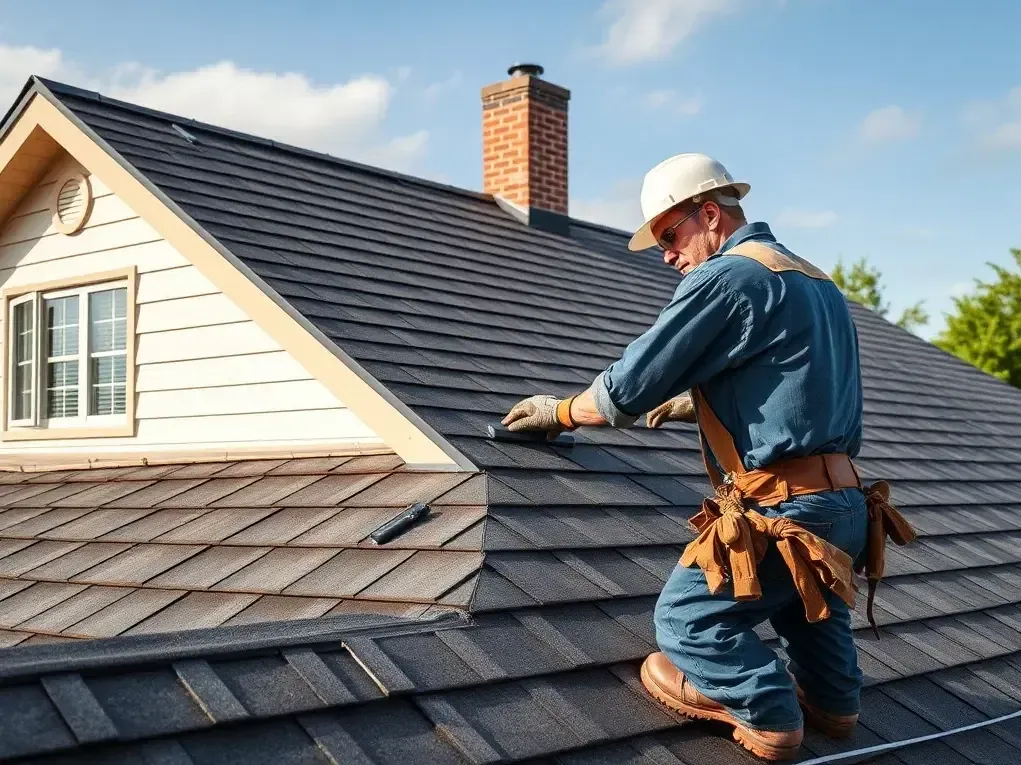
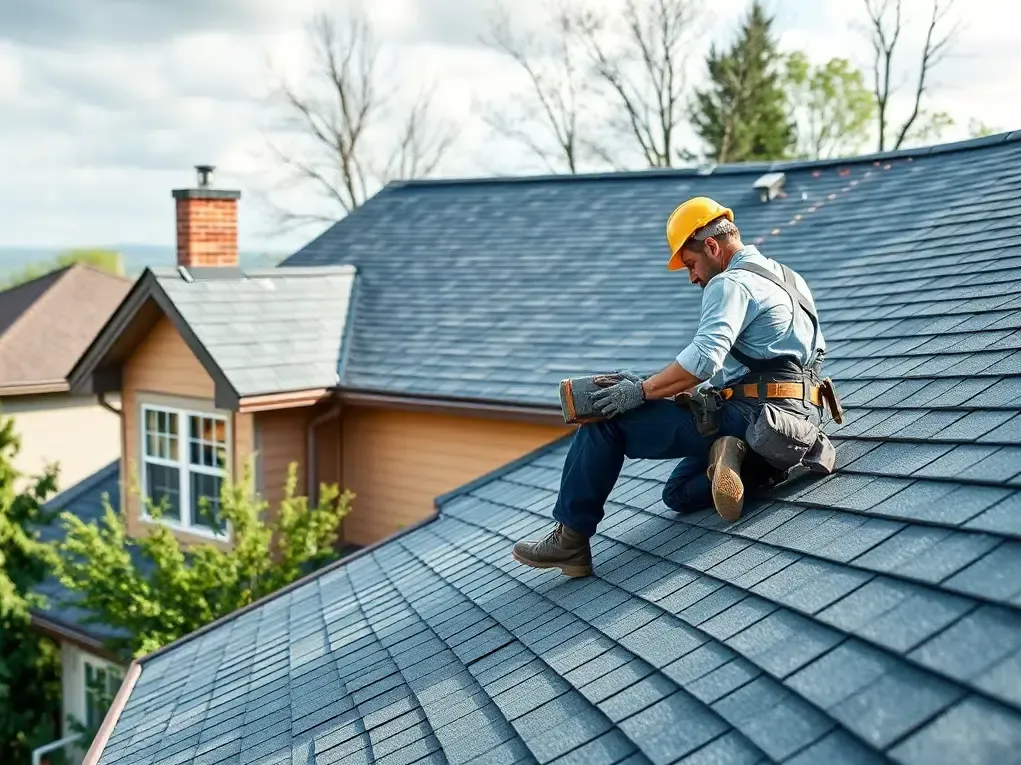
Roofing work in Lafayette, CA — photo 1 Roofing work in Lafayette, CA — photo 2 Roofing work in Lafayette, CA — photo 3