What Roofing Work in Concord Includes
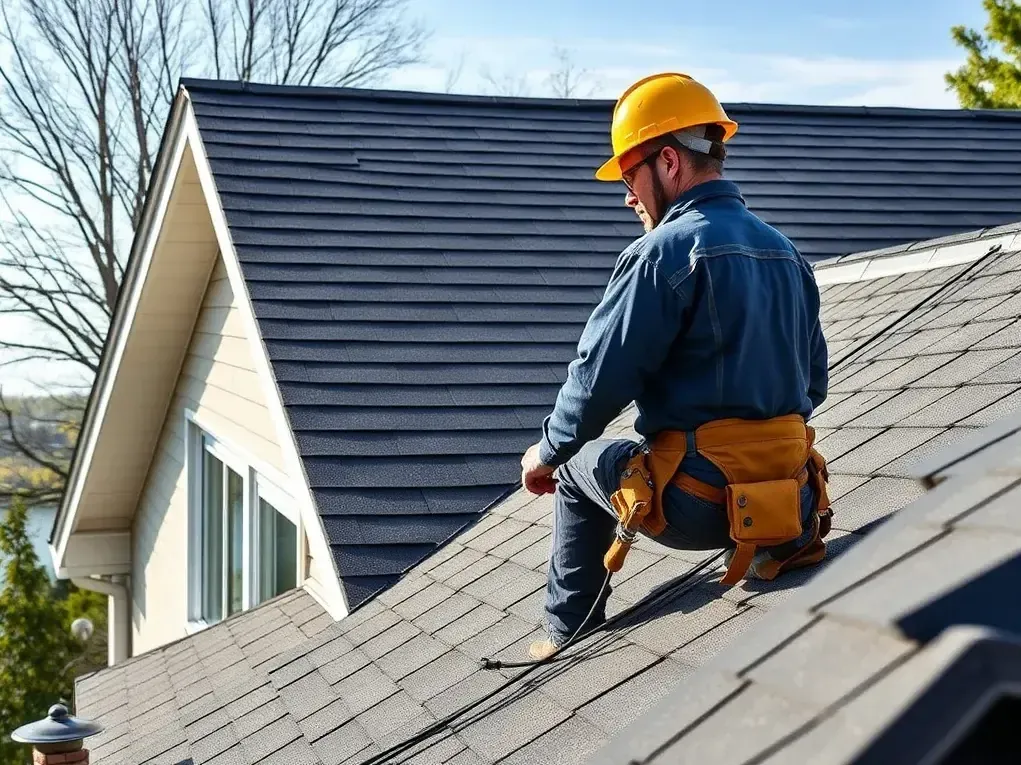
Scope starts with a roof inspection that documents conditions by area. Expect photos of the substrate, flashing details, and attic side.
A roof estimate should itemize tear-off, disposal, materials, and any decking repair separately.
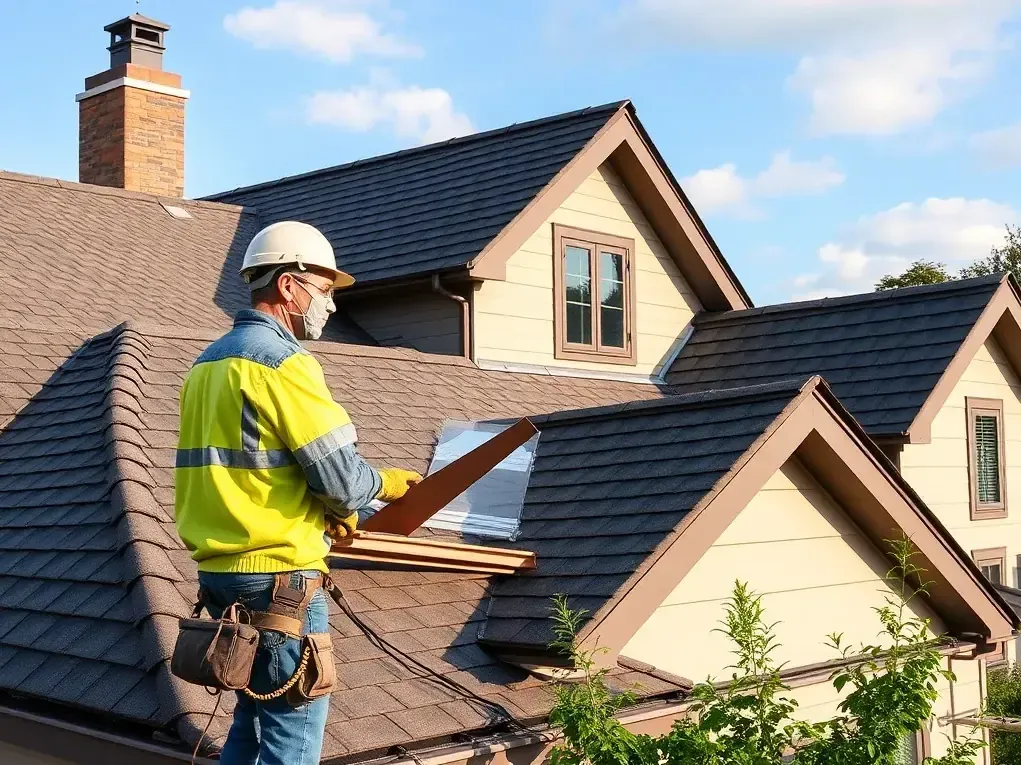
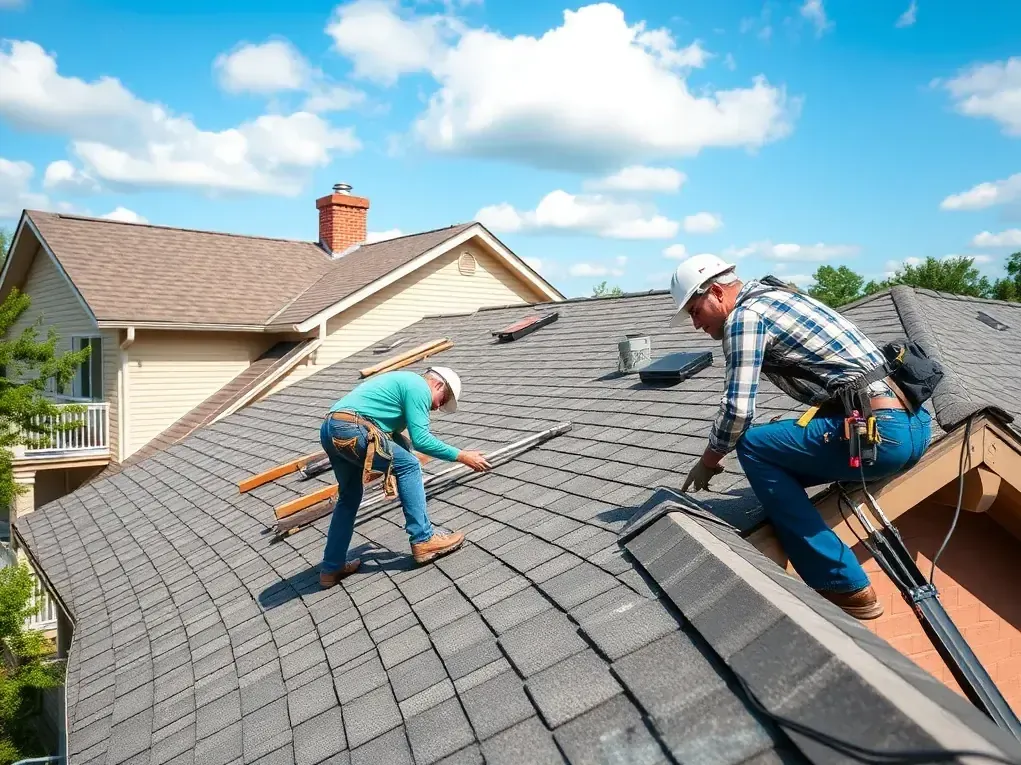
Tear-off means stripping shingle, underlayment, and old tar paper down to the roof deck.
A dumpster sits on site, and crews use pry bars and a roofing shovel to clear courses.
Rotted plywood or osb sheathing gets cut out and replaced before anything new goes down.
On the installation side, work varies by assembly:
Flashing is where most leaks begin. That covers step flashing at sidewalls, apron flashing at roof-to-wall junctions, and boot flashing around each pipe flashing.
Chimney flashing and counter-flashing get rebuilt, not caulked over. Sealant and roof cement are temporary at best.
Ventilation work runs alongside: ridge vent installation, soffit vent clearance, and checking that intake and exhaust balance.
A balanced system keeps the attic cooler and protects the vapor barrier.
Cleanup is part of the scope. Crews magnet-sweep for nails and fasteners, clear gutters and downspouts of debris, and haul away all tear-off.
A final walkthrough confirms flashing, sealant lines, and ridge cap are complete.
- Steep-slope: synthetic underlayment, ice-and-water shield at eaves and valleys, then architectural shingle or three-tab shingle
- Low-slope: pvc membrane, tpo, or modified bitumen with proper seam treatment
- Specialty: slate, clay tile, concrete tile, or standing-seam panel where the structure supports it