Home Services
Locations AlamoBrentwoodConcordDanvilleLafayetteMartinezNewarkOrindaPittsburgPleasant HillSan Ramon
About Reviews Contact (925) 503-1377

Roofing in Danville, CA

Danville sits at the foot of Mount Diablo, and that geography drives everything a roofer deals with here.

Licensed & Bonded and fully insured
Written Estimates
Local to Danville
Workmanship Warranty

Hot dry summers bake the shingles on west-facing slopes.

Then the Diablo winds arrive in fall and push embers across ridgelines above Blackhawk and Diablo.

A rooftop in this town has to handle both fire exposure and sun. Housing stock varies block by block.

Mid-century ranch homes from the 1950s and 1960s still line the older streets near Downtown Danville.

Larger custom estates on acre lots dominate the gated communities, and 1990s and 2000s tract homes fill subdivisions out toward Tassajara Valley.

Each era brings its own roof deck, sheathing, and ventilation quirks. Winters are cool and wet, and that rain finds every weak point.

Typical failures we see described in Danville include:

  • Cracked pipe boots and dried-out flashing sealant at penetrations
  • Wind-lifted ridge cap and loose rake edges after a Diablo wind event
  • Ponding or rot where gutters and downspouts clog under oak canopy
  • Sun-cracked asphalt shingle on south-facing planes past 15 years

Westside Danville homes on sloped lots often show fascia and soffit rot from splash-back and clogged downspouts.

In Crow Canyon Country Club, low-pitch sections and complex hip-and-valley rooflines collect debris and hold moisture.

That makes a roof inspection a seasonal habit worth keeping, not a one-time errand.

1

What Roofing Work in Danville Includes

Every project starts with a roof inspection, not a sales pitch. A roofer walks the roof deck, checks the attic, and photographs each failure.

From there, a roof estimate separates needed repairs from items that can wait.

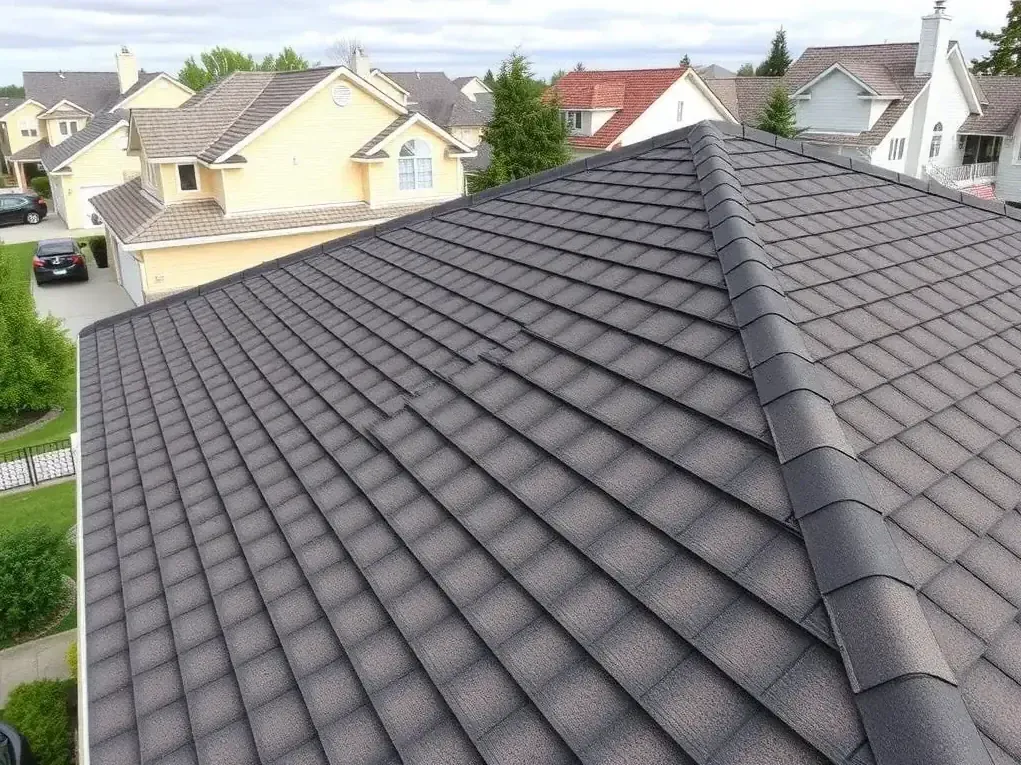
Scope depends on the material and the condition of the substrate. A typical tear-off and re-roof includes:

Materials vary by home. Architectural shingle suits most ranch and tract roofs. Wood shake and cedar shake appear on older custom homes.

Clay tile, concrete tile, and slate show up on estate properties. Metal panel and standing-seam panel are common where fire resistance matters.

Ventilation and waterproofing get equal attention. Crews check soffit vent intake and ridge vent exhaust so the attic breathes.

They reset pipe flashing, pipe boots, and vent boots, and re-seal skylight and dormer curbs. Chimney flashing and apron flashing are rebuilt rather than caulked over.

The process runs on scaffolding and ladders, with a dumpster staged for debris.

Nail guns and air compressors speed the deck work; pry bars and roofing shovels handle tear-off. Cleanup means magnet-sweeping the yard and hauling every load out.

we does not perform the work; it documents what a qualified roofing contractor should cover.

  • Removing existing shingle, underlayment, and roofing felt down to the sheathing
  • Inspecting and replacing rotted plywood or OSB decking
  • Installing ice-and-water shield at eaves and valleys
  • Laying synthetic underlayment across the field
  • Setting drip edge, step flashing, and counter-flashing at walls and chimneys
2

Quality & Materials Standards

Good roofing in Danville follows building code and the manufacturer's installation spec, line by line. Fasteners matter as much as the covering.

Nails must be the right length and driven at the right pitch into the rafter or truss below the sheathing.

Material choice should match the house and the exposure. A few honest guidelines:

Low-slope sections need a membrane, not shingle.

TPO, EPDM, and PVC membrane are the usual choices, along with modified bitumen or a built-up roof on older flat areas.

On steep roofs, a proper vapor barrier and synthetic underlayment keep moisture out of the deck.

Details decide whether a roof lasts.

Valley and step flashing must be woven or cut correctly, and counter-flashing should tuck into masonry, not just sit on top.

Ridge cap and hip cap need full coverage, and every pipe boot, vent boot, and skylight curb gets sealed with the right mastic or roof cement.

Insurance claims deserve plain talk. Document storm or wind damage with photos before repairs start.

A roofing contractor can describe the damage and scope, but the adjuster decides coverage. Keep the damaged material until the claim is settled.

Reputable crews avoid patchwork that hides a failing substrate.

Quality here means the roof is weatherproofed at every penetration, from eave to ridge, and built to survive a hot Danville summer and a wet winter alike.

  • Use architectural shingle rated for high wind on exposed ridges and gables
  • Keep three-tab shingle off steep, sun-baked south planes where it ages fast
  • Specify Class A assemblies where wildfire risk is real
  • Match underlayment grade to the slope, with full ice-and-water shield at eaves
3

Seasonal and Storm Exposure in Danville

Danville runs two distinct roof seasons, and each one attacks different materials.

Summer brings months of dry heat that bake asphalt shingle granules loose and make sealant strips brittle. Wildfire risk rides alongside that dryness.

Then the Diablo winds arrive. These high-wind events peel back ridge cap and lift shingle tabs that already lost their adhesive grip.

Loose debris becomes airborne and can crack tile.

Winter flips the script entirely. Cool, wet storms push water against every flashing detail on the house.

Old tar paper and aging felt fail first under that load.

Wood shake and cedar shake soak up moisture through fall and split as they dry in spring.

Clay tile and concrete tile shed heat well but crack when a fallen branch lands after a wind event.

Timing your roof inspection follows directly from this rhythm:

Walk the eave and soffit after storms to spot water stains before they reach the attic.

A roofer who inspects your valley flashing and chimney flashing in autumn prevents most winter leaks.

  • Late spring: check for sun-dried sealant, granule loss, and cracked pipe boots before fire season.
  • Early fall: verify ridge vent, ridge cap, and drip edge ahead of the first rains.
  • After any Diablo wind event: look for lifted shingle, missing ridge cap, and gutter damage.
4

Local Service Areas

Blackhawk

Gated estates here sit on large acre lots with complex rooflines and multiple pitches.

Custom homes often carry tile or slate roofs that need careful flashing work at every intersection.

Diablo

Homes tucked near Mount Diablo face the strongest wind exposure in the area. Mid-century ranch homes from the 1950s and 1960s dominate the quiet streets here.

Tassajara Valley

This edge of town mixes larger properties with open exposure to weather coming off the hills.

Roofs here take wind and sun with little shielding from neighboring structures.

Westside Danville

Newer tract homes from the 1990s and 2000s fill the subdivisions on this side.

Architectural shingle is the standard here, and most roofs are entering their second decade.

Downtown Danville

The historic district brings older structures with character rooflines and tight lots.

Access is tighter here, so scaffolding and careful staging matter more than on open acreage.

Crow Canyon Country Club

Golf-course homes blend mid-century ranches with remodeled estates on generous lots. Sun exposure is high and tree debris is constant near the fairways.

  • Clay tile and concrete tile crack along valleys where debris collects after Diablo winds.
  • Complex hip and gable rooflines create dozens of flashing points that fail at the step flashing.
  • Standing-seam panel roofs on newer estates develop fastener back-out over time.
  • Skylight and dormer penetrations show failing sealant and cracked pipe boots first.
  • Three-tab shingle on older ranches is often past its service life and losing granules.
  • Wind-driven rain finds worn roofing felt under curled shingle tabs.
  • Original wood shake roofs need replacement rather than another coating.
  • Low-slope sections over additions call for membrane or modified bitumen repair.
  • Metal panel and corrugated panel roofs show fading paint and loose fasteners.
  • Long rakes and overhangs catch wind uplift during Diablo wind events.
  • Detached structures often need built-up roof or EPDM attention.
  • Wildfire ember exposure makes Class A-rated assemblies worth discussing.
  • Architectural shingle nearing twenty years starts losing sealant and granule coverage.
  • Synthetic underlayment outlasts the original tar paper on neighboring older homes.
  • Ridge vent and soffit vent balance matters in tight modern attic spaces.
  • Gutter and downspout clogs show up fast on closely spaced rooflines.
  • Historic homes often hide patchwork repairs under layers of roof cement and mastic.
  • Steep pitches and dormers demand careful ladder and scaffold setup.
  • Chimney flashing on older masonry chimneys is a frequent leak source.
  • Porch and awning overhangs collect debris that traps moisture against the fascia.
  • Remodeled homes mix new metal panel sections with older asphalt shingle.
  • Shade from mature trees keeps sheathing damp and speeds wood rot.
  • Wide overhangs and rake edges collect debris that blocks proper drainage.
  • Flat roof sections over additions need PVC membrane or TPO checks each year.

What We Do in Danville

Full-service roofing for Danville homeowners:

Explore Nearby Communities

Roofing work across Danville and the surrounding area.

Questions about a specific street, roof type or shared-wall detail? Call (925) 503-1377 and describe the property.

Roofing in Danville?

Roofing Reference Images in Danville

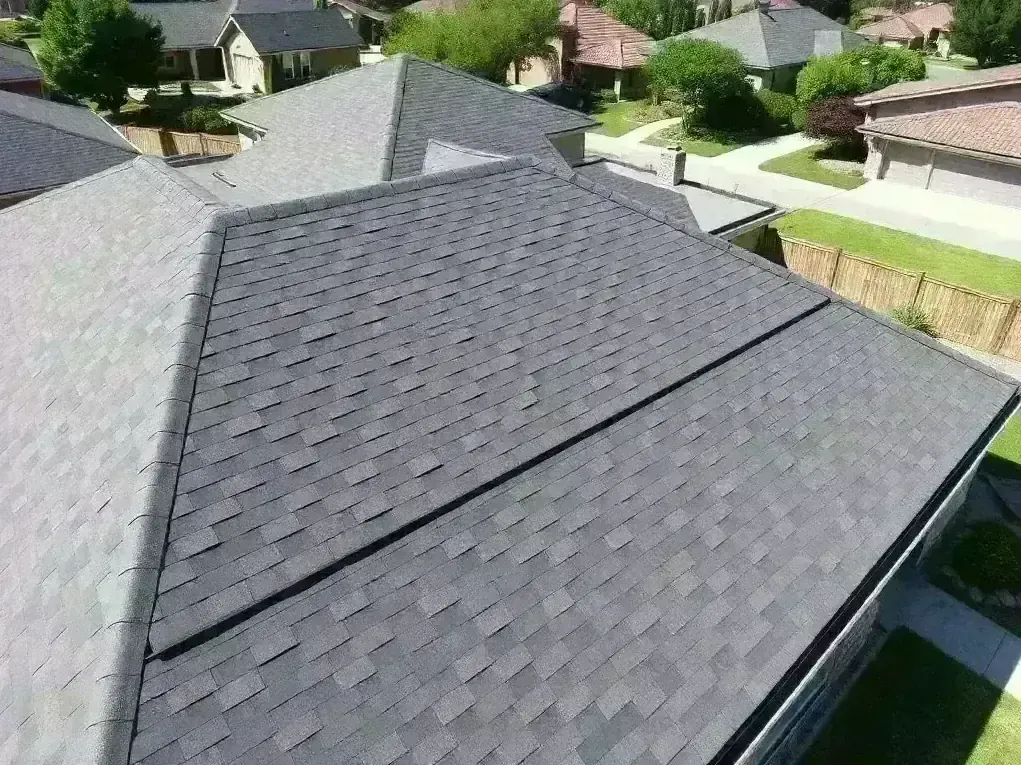
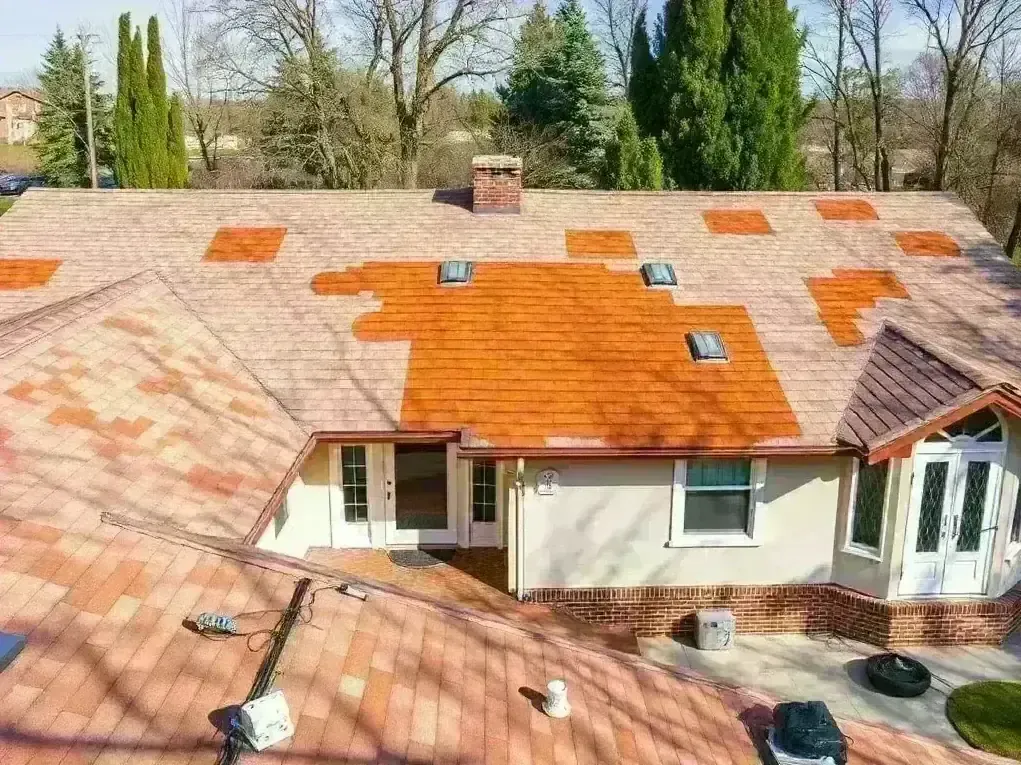
Roofing work in Danville, CA — photo 1 Roofing work in Danville, CA — photo 2 Roofing work in Danville, CA — photo 3