Home Services
Locations AlamoBrentwoodConcordDanvilleLafayetteMartinezNewarkOrindaPittsburgPleasant HillSan Ramon
About Reviews Contact (925) 503-1377

Roofing in Alamo, CA

Alamo sits unincorporated in Contra Costa County, where the housing stock tells its own story.

Licensed & Bonded and fully insured
Written Estimates
Local to Alamo
Workmanship Warranty

Mid-century single-story ranch homes line streets across Westside Alamo and Stonegate, many still carrying their original roof decking.

Larger custom contemporaries spread across Bryan Ranch and Whitegate, often with complex rooflines and multiple valleys.

Mediterranean-style homes with stucco walls and clay tile roofs cluster near Roundhill Country Club. Each home type ages differently under the same sun.

Summer is the hard season here.

Prolonged, dry heat bakes asphalt shingle and tile across the rooftop, and UV exposure breaks down sealant and caulk at penetrations.

Dry, gusty Diablo winds then test every fastener and ridge cap. Loose shingle tabs lift, and ridge caps work free. Winter brings the opposite problem.

Pacific storms drive rain sideways into eave and soffit edges. On Alamo's older ranch homes, worn felt and tar paper underlayment lets water reach the sheathing.

Recurring leaks pool near chimney flashing and pipe boots. Look for these warning signs after a storm:

  • Curling or missing shingle tabs on south-facing slopes
  • Granule buildup in gutters and at downspout outlets
  • Water staining on fascia or soffit boards
  • Lifted or cracked flashing around skylights and chimneys
  • Sagging along the ridge or in valley sections

Because Alamo is unincorporated, roofing work follows Contra Costa County building code and permit review.

A roofer working here needs to know the county process, the clay tile and wood shake profiles common to the area, and how the Las Trampas foothills exposure drives wind and sun load along the western edge.

Homes near Iron Horse Regional Trail and Livorna Park see the same seasonal swings as the rest of the community.

1

What Roofing Work in Alamo Includes

Every job starts with a roof inspection and a written roof estimate. The roofer checks the roof deck, sheathing condition, and ventilation before quoting.

Tear-off follows, with a dumpster staged and debris hauled off daily.

Material choice depends on the house. Ranch homes often go back to architectural shingle or three-tab shingle.

Tile roofs may need clay tile or concrete tile replacement rather than a full tear-off.

Tear-off and decking:

Dry-in and detail work:

Finish and cleanup:

Tools on site are standard trade equipment: roofing square, nail gun, air compressor, pry bar, roofing shovel, and a torch for modified bitumen work.

Crews use scaffold and ladders safely, and seal penetrations with sealant or mastic before final inspection.

  • Remove old roofing, felt, and fasteners down to the substrate
  • Inspect sheathing and replace soft plywood or OSB
  • Check rafters, truss members, and the ridge beam for damage
  • Install synthetic underlayment and ice-and-water shield at eaves
  • Set drip edge, valley flashing, and step flashing at walls
  • Fit chimney flashing, apron flashing, and pipe boots
  • Set the ridge cap and ridge vent for attic ventilation
  • Clear gutters, downspouts, and the ground of nails and debris
  • Magnetically sweep the yard and walk the property with the homeowner

2

Quality & Materials Standards

Good roofing starts with the substrate. Decking must be sound and properly fastened before any shingle, tile, or membrane goes down.

A vapor barrier and synthetic underlayment protect the roof deck from below.

Material standards vary by roof type:

Detail work is where roofs fail or hold.

Counter-flashing at chimneys, pipe flashing at vents, and proper step flashing at wall intersections matter more than the field material.

So does ventilation: soffit vent intake matched to ridge vent exhaust keeps the attic cool and prevents ice dam formation at the eaves.

Some homeowners add snow guard or anchor points for maintenance access. Others replace a failing mansard or gambrel roof section with a membrane assembly.

A small awning or canopy over a doorway needs flashing tied into the wall correctly.

Insurance and code vocabulary matters here.

A roofing contractor should document storm damage with photos and a written scope, distinguish maintenance from sudden damage, and follow Contra Costa County building code on permit and inspection.

Honest claims language avoids promising full replacement when repair will do.

Quality checks before sign-off:

A final roof inspection confirms weatherproofing and waterproofing hold. Walnut Creek Roofers can help Alamo homeowners sort through the process.

  • Asphalt shingle rated for wind uplift on exposed ridges
  • Standing-seam panel and corrugated panel with proper fastener spacing
  • EPDM and TPO membrane for flat or low-slope sections
  • Modified bitumen and built-up roof systems where pitch is minimal
  • Verify counterbatten and batten spacing on tile and slate
  • Confirm purlin and coping alignment on flat sections
  • Check sealant, adhesive, and roof cement cure at all penetrations
  • Confirm gutter and downspout flow away from the fascia
3

Seasonal and Storm Exposure in Alamo

Summer in Alamo is hard on a rooftop. Months of unbroken sun bake the south- and west-facing planes, and the damage is cumulative.

Asphalt shingle granules loosen and wash away, exposing the bitumen beneath to UV.

Clay tile and concrete tile hold up better, but the underlayment underneath dries, cracks, and loses its waterproofing.

When the first Pacific storms arrive, that tired substrate gets tested.

Wind-driven rain finds every failed sealant joint, every cracked pipe boot, every gap at the flashing.

On older ranch homes, roofing felt that has turned brittle lets water straight through to the roof deck.

Diablo wind events add a different threat. Dry offshore gusts can peel back ridge cap, lift loose shingle tabs, and snap fasteners already weakened by corrosion.

Loose debris becomes airborne and dents metal panel and gutter runs.

Fall is the smart inspection window — before the rain, while skies are dry and safe for a roofer to walk the pitch.

A proper roof inspection in Alamo should cover the eave line, the rake, all step flashing and counter-flashing, and the attic side of the deck.

From inside, look for staining on rafters and joists and damp insulation. From outside, check drip edge, soffit, and fascia for rot.

Timing matters more than frequency here — schedule the roof estimate in early fall.

  • Check after summer: granule loss, cracked sealant, lifted ridge cap
  • Check before winter: flashing at chimney and valleys, gutter and downspout flow
  • After any Diablo wind event: fasteners, edge metal, and any loose material
4

Local Service Areas

Westside Alamo

Westside Alamo sits against the Las Trampas foothills, where the western exposure takes the full afternoon sun and the Diablo wind gusts first.

Homes here are a mix of mid-century ranch and larger custom builds, many with original roof systems now well past their service life.

Alamo Oaks

Alamo Oaks is defined by its tree cover, and that canopy shapes every roofing decision on these lots.

Shade keeps the roof cooler but keeps it damp far longer, which changes what fails and when.

Roundhill Country Club

Roundhill homes tend toward Mediterranean styling — stucco walls under clay tile and concrete tile, often with complex rooflines.

That architecture looks great and hides problems well.

Bryan Ranch

Bryan Ranch runs larger custom homes on generous lots, many with steep and varied roof geometry.

These roofs ask more of ventilation and more of the crew.

Stonegate

Stonegate's mid-century ranch housing stock is straightforward in shape but aging in material.

Many roofs here are on their second or third layer, which changes the estimate.

Whitegate

Whitegate blends established ranch homes with later remodels, so roof conditions vary house to house. Additions and re-roofs done at different times create mismatched systems.

  • Single-story ranch homes with low-slope sections often carry a built-up roof or modified bitumen that has dried and alligatored
  • Original three-tab shingle on 1950s–60s builds shows curled tabs and exposed felt at the rake
  • Foothill lots collect oak debris that clogs valleys and backs water under the flashing
  • Older wood shake roofs dry, split, and lose their fire resistance under prolonged sun
  • Heavy overhead branches mean constant debris on the rooftop and in the gutter runs
  • Damp shade accelerates moss and rot on wood shake and cedar shake surfaces
  • Tree-limb abrasion scuffs granule surfaces on asphalt shingle and can crack clay tile
  • Debris-packed valleys trap moisture against the underlayment and shorten its life
  • Trimming back overhang before a roof inspection saves repeated callbacks
  • Clay tile and concrete tile shed water only as well as the underlayment beneath them
  • Failed felt and synthetic underlayment under intact tile is the most common hidden leak
  • Complex hips, valleys, and dormer junctions put heavy demand on step flashing and apron flashing
  • Parapet and coping details on custom builds need sealant and roof cement upkeep
  • Skylight and chimney flashing deserve a close look every fall
  • Steep pitches and multiple gables require scaffold and anchor setups for safe access
  • Ridge vent and soffit vent balance matters on vaulted ceilings to prevent condensation
  • Standing-seam panel and metal panel accents need fastener and sealant checks at penetrations
  • Wide eaves and deep overhang protect walls but hide fascia rot until it spreads
  • Attic fan and insulation performance should be verified alongside the roof inspection
  • Layered three-tab shingle and architectural shingle roofs hide the true condition of the decking
  • Tear-off exposes plywood or OSB sheathing that may need replacement before new underlayment
  • Low-slope additions often use membrane roofing such as TPO, EPDM, or PVC membrane
  • Aging pipe flashing and vent boot seals are a frequent source of small, persistent leaks
  • Sagging gutters and loose downspout brackets point to fascia and eave problems
  • Mixed roof ages mean transitions between old and new shingle need careful flashing
  • Remodel additions often create interior valleys and wall junctions that leak first
  • Older tar and gravel or built-up roof sections may remain on flat portions
  • Drip edge and rake trim on older sections may be undersized or missing
  • A full roof estimate should map every transition, not just the main field

What We Do in Alamo

Full-service roofing for Alamo homeowners:

Explore Nearby Communities

Roofing work across Alamo and the surrounding area.

Questions about a specific street, roof type or shared-wall detail? Call (925) 503-1377 and describe the property.

Roofing in Alamo?

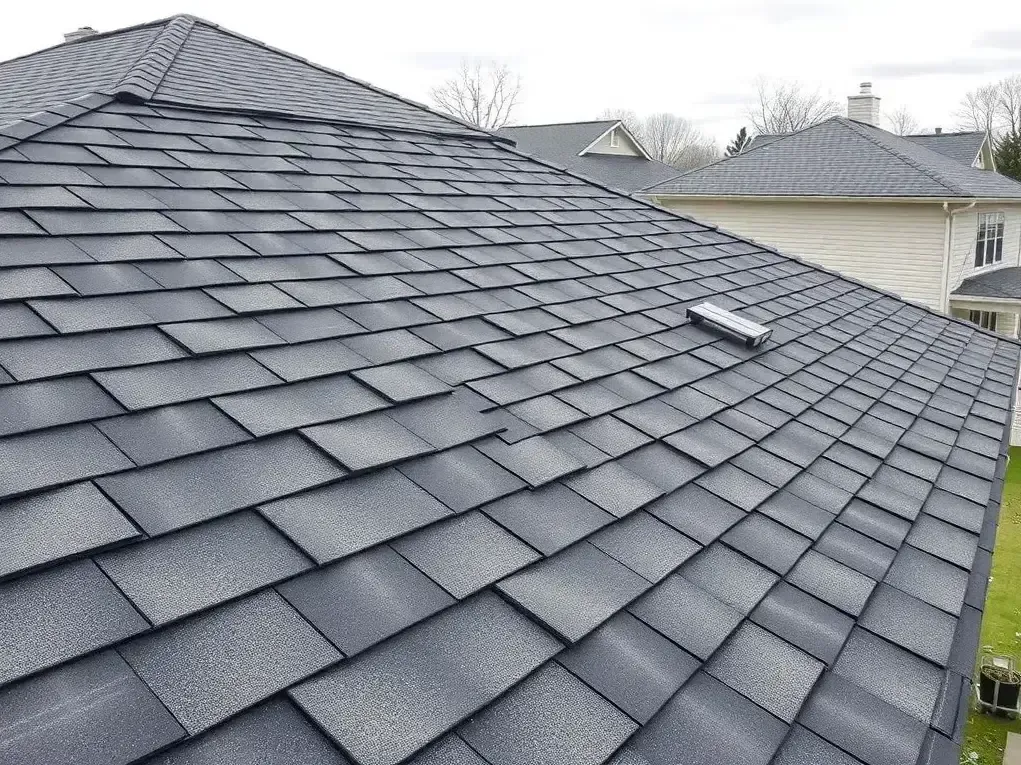
Roofing Reference Images in Alamo

Roofing work in Alamo, CA — photo 1 Roofing work in Alamo, CA — photo 2 Roofing work in Alamo, CA — photo 3