What Roofing Work in Orinda Includes
Roofing work here starts with a roof inspection and a written roof estimate. A roofer walks the rooftop and checks the underlayment, flashing, and decking condition.
Access on steep or split-level homes often requires scaffold rather than a single ladder.
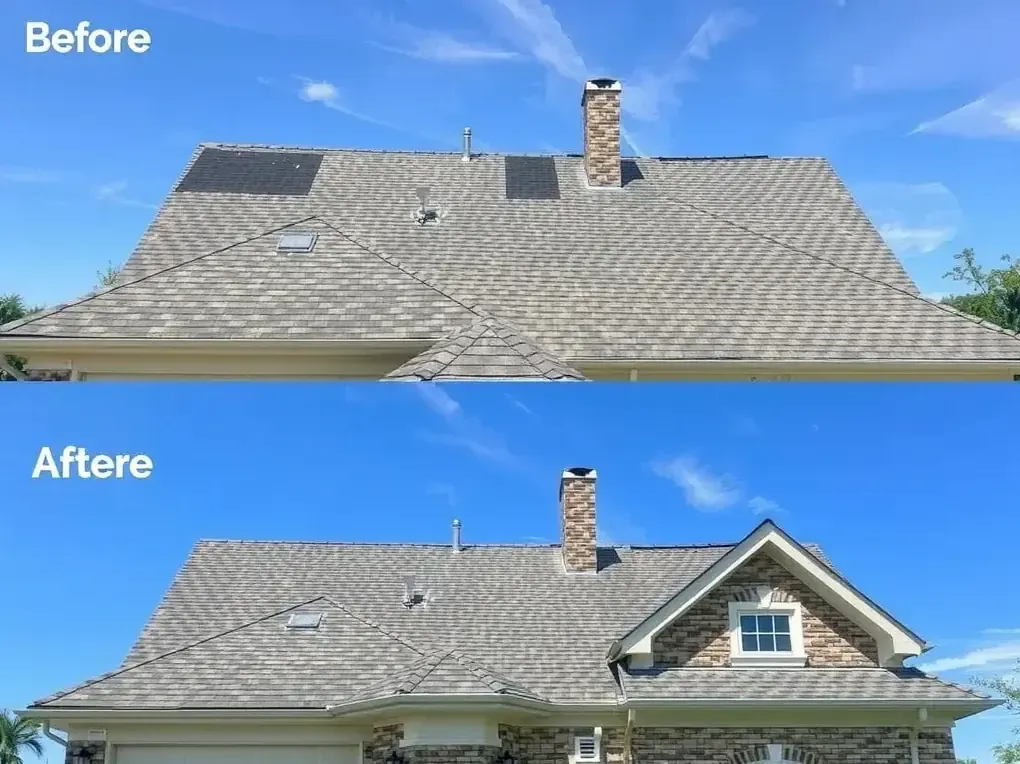
Material scope depends on the existing assembly. Tear-off means removing shingle, felt, fasteners, and old roof cement down to the substrate.
A pry bar and roofing shovel do most of that work, with debris loaded into a dumpster.
Replacement scope commonly covers:
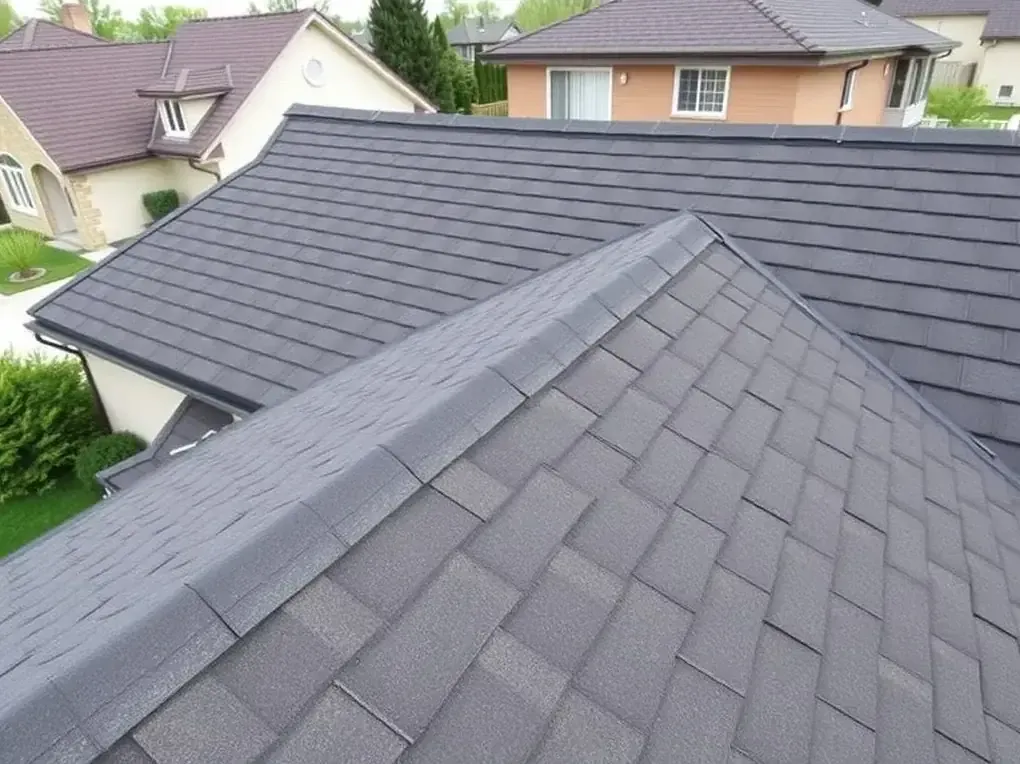
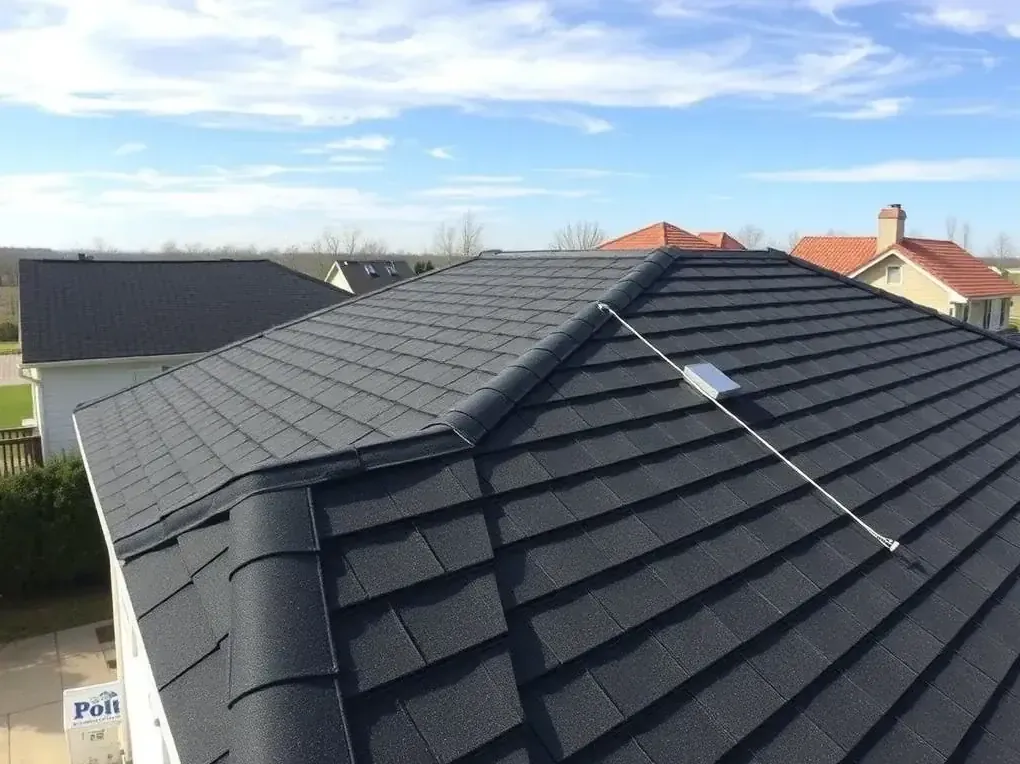
Field work varies by material. Asphalt shingle and architectural shingle go down with a nail gun fed by an air compressor.
Tile and clay tile work needs batten and counterbatten over the substrate.
Standing-seam panel and metal panel jobs call for careful fastener and sealant control at every lap.
Flat or low-slope sections may get a membrane such as TPO, EPDM, or PVC membrane.
Cleanup is its own scope item. Magnets sweep the lawn and driveway for stray nails and screws.
Gutters get cleared of debris, and the site is walked with the homeowner at closeout.
- Decking repair: replacing rotted plywood or OSB sheathing and sistering damaged rafters or joists.
- Underlayment: synthetic underlayment across the field, with ice-and-water shield at eaves and valleys.
- Edge metal: new drip edge at the eave, rake, and gable verge, plus replacement fascia and soffit where rot is found.
- Flashing: step flashing, counter-flashing, chimney flashing, and pipe flashing with new boots at every penetration.
- Ventilation: ridge vent, soffit vent, or attic fan work so the roof deck breathes.